





Mission
Contact us
Executive Board

LUCAS RITACCO, MD, PHD
Argentina, President

ERIC STINDEL MD, PHD
France, Past Chairman

JOSH W. GILES, PHD
Canada, Program Committee Chairman

RAFFAEL CINTEAN, MD
Germany, Member at Large
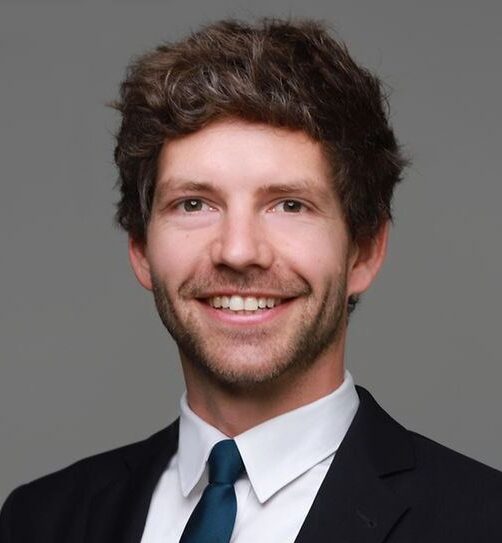
Malte Asseln, PHD
Netherlands, Technical Joint Research Coordinatorstigator

MASAKI TAKAO, MD
Japan, Past President
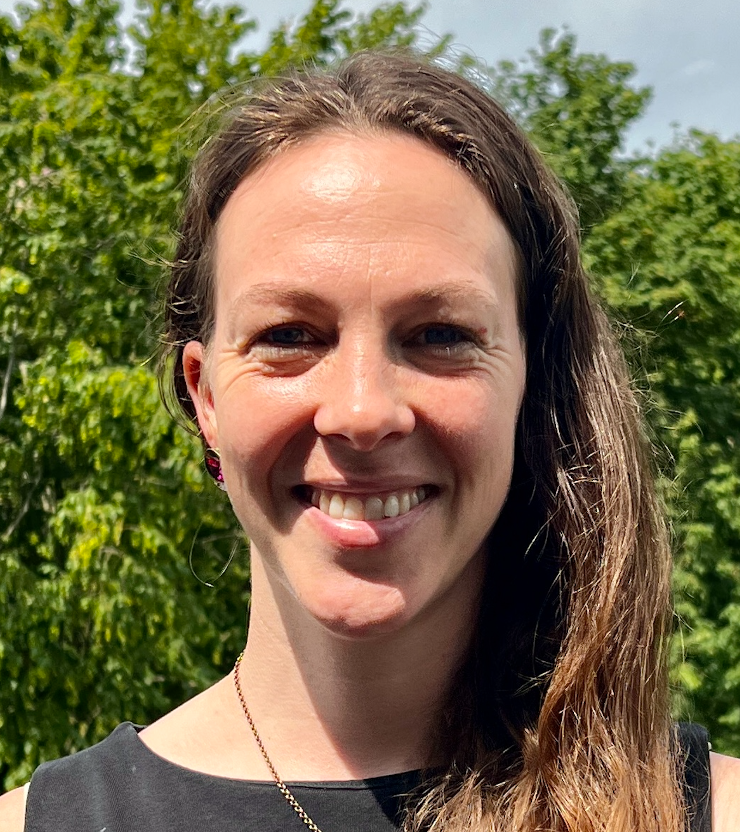
Luisa Berger, PHD
Germany, Secretary General

AZILIZ GUEZOU-PHILIPPE, PHD
France, Program Committee Vice Chairwoman

JASPER GERBERS, MD, PHD
Netherlands, Website Coordinator

HOEL LETISSIER, MD
France, Young Investigator
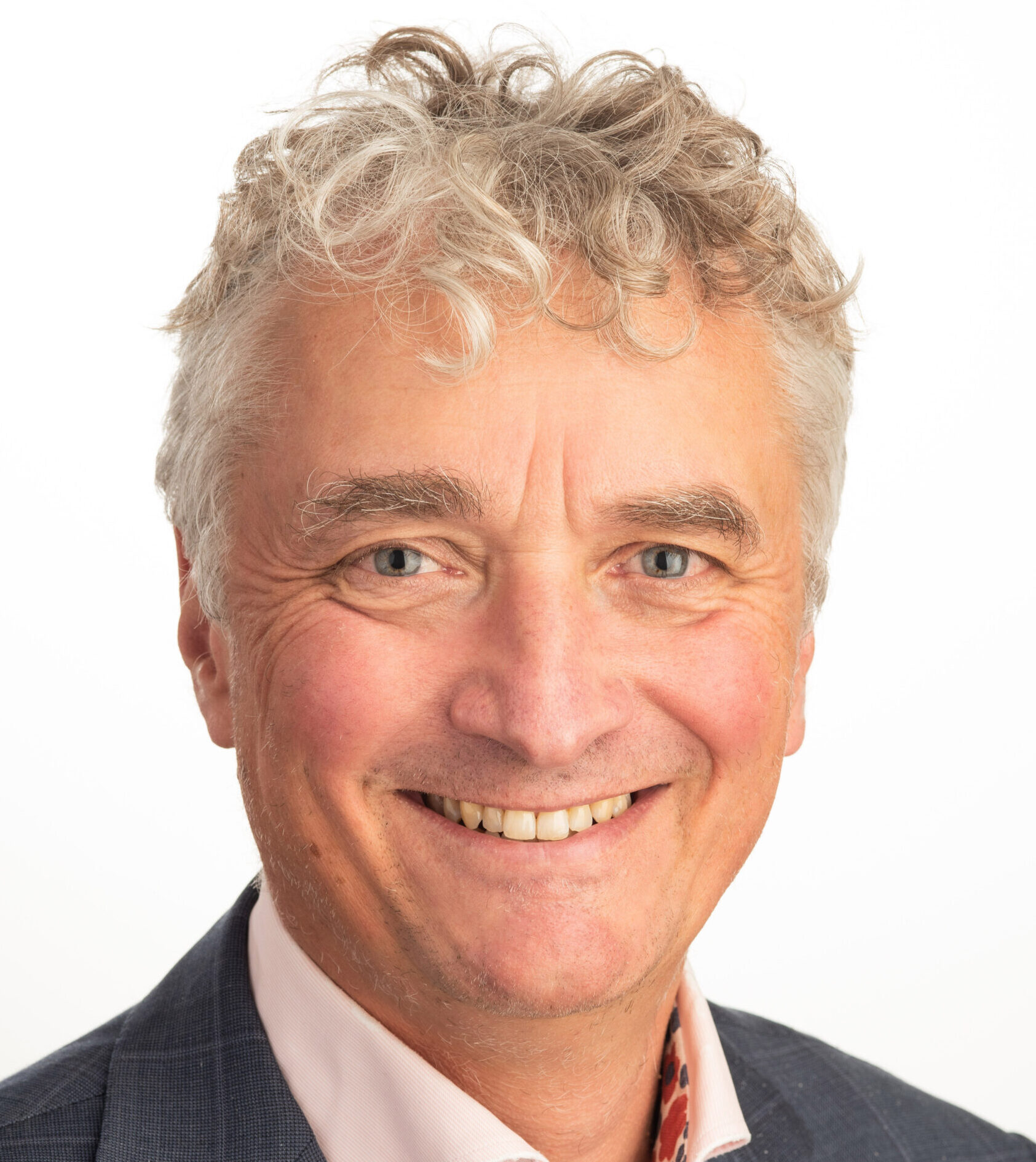
Michael Schuetz, MD, PHD
Australia,Future President

KLAUS RADERMACHER, PHD
Germany, Past Secretary General

M HAFEZ, MD, PHD
Egypt, Fellowship Lead

GABRIELLE TUIJTHOF, PHD
Netherlands, Technical Fellowship Coordinator

SONJA EHREISER, PHD
Germany, Young Investigator

PAUL C. JUTTE MD, PHD
Netherlands, Chairman

ANTONY HODGSON, PHD
Canada, Treasurer

LEO JOSKOWICZ, PHD
Israel, Member at Large
Tomofumi Kinoshita, MD, PHD
Japan, Clinical Joint Research Coordinator
Dr. Kamal Deep Obituary
Honorary Members

Professor Maurice E. Müller
(28 March 1918 – 10 May 2009)
From 1963 to 1980 Prof. M.E. Müller, M.D. was professor at the University of Bern and head of orthopedic surgery at the Inselspital in Bern, Switzerland. The Maurice E. Müller Institute for Biomechanics (MIB) in Bern was founded in 1981 as a joint venture between the Maurice E. Müller Foundation and the University of Bern. It aims to continue and extend the work of Maurice E. Müller in biomechanical research and teaching. Consequently the 1st Annual CAOS-Symposiumtook place 1995 in Bern organized by the MIBbringing together about 20 pioneers in the field. On the 1st General Assembly of International Society for Computer Assisted Orthopaedic Surgery in 2001 Professor Maurice E. Müller was unanimously elected the first honorary member of the society.

Professores Lutz-P. Nolte and Anthony (Tony) DiGioia, III, M.D.
Lutz-P. Nolte, PhD is professor emeritus for Surgical Technology and Biomechanics at the University of Bern, Switzerland. He organized the 1st Annual CAOS-Symposium in 1995 in Bern.
Anthony (Tony) DiGioia, III, M.D., is founder and medical director the UPMC Bone and Joint Center and The UPMC Innovation Center in Pittsburgh, USA. In 1997 he organized the first CAOS/USA symposium in Pittsburgh. In 2001 the International Society for Computer Assisted Orthopaedic Surgery (CAOS-International) was founded and the Bern and Pittsburgh CAOS-Symposia joined forces under the guidance of Lutz and Tony at the 1st annual symposium 2001 in Davos.
On the General Assembly of CAOS-International in 2019 Lutz-P. Nolte and Anthony M. DiGioia were unanimously elected honorary members of the society.

Professor Brian Davies
Prof Brian Davies is Professor of Medical Robotics at Imperial College London, where he has been since 1984. He started research into robotic Orthopaedic Surgery in 1991 together with Prof Justin Cobb and they formed the Acrobot Company Limited together in 1999, which was subsequently sold to Stanmore Implants worldwide in 2010. Brian attended all the early CAOS meetings in Bern, Philadelphia and Davos, before the formal founding of CAOS International in 2000. Brian then became Chair of the Program Committee as well as a member of the Executive for 16 years. More recently he has founded a spin off Company "Signature Robot Ltd", to provide a very small cooperative robot for unicondylar knee surgery.
On the General Assembly of CAOS-International 2022 in Brest, Brian Davies was unanimously elected honorary member of the society.

Stéphane Lavallée, PhD
Maurice E. Müller Award and four-time Worldwide Innovation Challenge winner, Stéphane Lavallée is a pioneer in the field of surgical robotics and a serial entrepreneur with an impressive track record. During his thesis in 1989, he developed the first robot used in clinical routine to place electrodes or biopsy needles in the brain. He then invented pre-op CT image registration with intra-operative data, navigated ACL surgery and image-free navigation. He founded Praxim, acquired by Omni, A2 Surgical (Hip arthroscopy simulation software), acquired by Smith Nephew, Traumis Surgical (intramedullary nail distal locking), acquired by Johnson & Johnson, Blue Ortho, acquired by Exactech (ExactechGPS product), Orthotaxy, acquired by Johnson & Johnson (Velys knee robot) and eCential Robotics, which has developed a robotic 5-axis, optimized 2D x-ray C-arm with integrated 3D image reconstruction and real-time navigation product and robotics. He is the co-inventor of over two hundred international patents, co-author of 150+ International scientific publications (journal articles & conference proceedings) and the co-editor of "Computer-integrated surgery", MIT Press, 1996.
On the General Assembly of CAOS-International 2022 in Brest, Stéphane Lavallée was unanimously elected honorary member of the society.
Maurice E. Müller Award for Excellence in Computer Assisted Surgery
 2026: KC Wong, PhD, Hong Kong
To sketch this man for you, I will take you through my observations over the past almost 20 years. I met him in 2008 in Hong Kong, during my first ever visit to a CAOS meeting. We had a great couple of days discussing various new CAS applications in tumour-surgery and the issues with the state of technology. We talked about companies only aiming to apply the technology to regular prosthesis surgeries and not to our niche field. We found common ground and opportunities for collaboration. We decided to join forces to move the field forward.
Some thoughts about him as a fellow human being and colleague. He is a very nice person, always friendly, modest, smiling with a sparkle in his eyes, full of energy. His thoughts and tempo of speaking are like a gentle but fast flowing waterfall. He’s very driven and has a nose for innovations and a mind to understand and implement ideas from scratch to sketch to clinic. I cannot tell his age; he has been around forever and will probably live at least another 100 years or so. He will stay at the forefront of surgical technological innovations.
He published over 100 peer reviewed papers, was cited over 3000 times, his H-index is 26, and he wrote a book on CATS and participated in various chapters in orthopaedic oncology books. He is co-founder of the oncology working group and a key opinion leader in the field of CAS in oncology. One of the first to apply this technology in tumour surgery. He saw the possibility to improve accuracy and precision. More tissue and joint sparing approaches became possible. He drives the initiative for a white paper with CAOS and ISOLS; setting the stage for the world developing together a manual for optimal use, margins, safety and monitoring; a real attempt for our patients to assure correct use and assumptions.
He is a tech lover, surgeon-engineer in one person, a very nerdy type in the most positive way. Nerd in our society is a form of praise and respect! Last wednesday in the oncology working group, there was a vivid exchange of ideas. We share playing with companies like Stryker, Mobelife and Brainlab. His university and ours worked on comparing CAS, PSI & free hand. With Jasper Gerbers and Laurent Paul, we developed the thought of checking the PSI with CAS to combine technologies for optimal accuracy and precision. There is an interesting growing collective of CAS colleagues worldwide, to name a few: Ashish Mahendra, Ashish Gulia, Patrick Wong, Pya Kiatsevi, Olivier Cartiaux and of course Lucas Ritacco, the CAOS president elect. We have a lot in common, surgeons become engineers and engineers surgeons. Nothing beats being behind a screen together and looking at a case and coming up with a virtual surgical plan. He is the living image of the Surgeon Engineer, at the cutting edge of disciplines where the magic happens.
Kwok-Chuen Wong, KC, the laureate for the Maurice E Müller award 2026. Congratulations, it is well deserved!
Prof Dr Paul C Jutte on behalf of the Committee of the MEMA.
 2025: Yoshinobu Sato, PhD, Japan
Dr. Yoshinobu Sato, the distinguished recipient of the Maurice E. Müller Award 2025, has followed an extraordinary path that began in Kobe, Japan, during the 1960s. Growing up near the vibrant Kobe Port, Dr. Sato exhibited early promise, winning a calligraphy contest at age 11 — a talent that perhaps foreshadowed his later contributions to medical data analysis.
Dr. Sato’s academic journey began at Osaka University’s Faculty of Medicine, where he started as an Assistant Professor in 1992, rising to Associate Professor in 1999. In 2014, he joined Nara Institute of Science and Technology (NAIST) as a Professor in the Graduate School of Information Science. In 2025, he will be honored with the title of Professor Emeritus at NAIST, reflecting his impactful career.
In addition to his academic roles, Dr. Sato is a MICCAI Fellow, a prestigious recognition in the field of medical image computing. He has served as President of the Japanese Society of Medical Imaging Technology (JAMIT) and as a Director of the Japanese Society for Computer Aided Surgery (JSCAS). He also contributes to global medical imaging research as an Associate Editor for leading journals, including Medical Image Analysis and IEEE Transactions on Medical Imaging.
Dr. Sato’s research achievements are equally remarkable. In 1988, he earned his PhD with groundbreaking research on "Visual Information Processing by a Multi-Resolution Model and Parallel Spatial Inference on the Hopfield Network." Between 1988 and 1992, he honed his skills at the iconic Ultraman lab, where his creativity and precision were evident. Transitioning to Osaka university hospital in 1992, Dr. Sato directed his focus to research in image analysis and segmentation.
He has made significant contributions to medical imaging, including the development of Surgical Navigation and Augmented Reality Systems, detecting structures for 3D cartilage analysis, and segmenting musculoskeletal structures using statistical shape models. With over 11,000 citations and an H-index of 50, his scholarly contributions exemplify leadership in his field.
Dr. Sato’s innovative application of AI to medical imaging has significantly advanced the field, earning him this prestigious recognition. The Maurice E. Müller Award honors his lifelong contributions to CAOS and his unwavering dedication to improving patient care through technology. Congratulations, Dr. Yoshinobu Sato!
 2024: Kamal Deep, MD, UK
Dr. Kamal Deep, the recipient of the Muller Award in 2024, has embarked on an exceptional journey that commenced in a small village in India. Demonstrating remarkable academic aptitude, particularly in mathematics, Kamal was raised with a profound sense of leadership, a trait that evidently runs in his family—his brother holds a prominent position as a top-ranking military doctor in India. Faced with a pivotal decision between a career in surgery or venturing into Bollywood, Kamal resolutely chose the path of surgery, leading him to the United Kingdom in 1996.
After achieving his FRCS and enduring the UK's weather, Kamal pursued a fellowship in Australia, where he was introduced to the transformative field of computer-assisted surgery. Upon his return to the UK, Kamal emerged as a crucial figure in advancing this technology, notably founding the British Society for Computer-Assisted Surgery (CAS) in 2005. His expertise and dedication subsequently led him to the Golden Jubilee National University Hospital in Scotland, where he played an instrumental role in the development of computer-assisted hip and knee replacements, achieving several groundbreaking "firsts" within Scotland and the UK, including the first fully navigated Exeter hip and the inaugural MAKO robotic total knee replacement.
In addition to his surgical accomplishments, Kamal initiated a highly successful series of arthroplasty conferences at the Golden Jubilee and has published extensively on the advantages of CAS, particularly its impact on reducing hip dislocations and enhancing knee alignment understanding. His innovative concepts, such as the dynamic leg axis, have significantly challenged conventional approaches in knee surgery. Among his notable publications are pioneering works such as "A Robotic Flexible Drill and Its Navigation System for Total Hip Replacement" (Annals of Biomedical Engineering, 2018) and "Robotic-Assisted 3D Bioprinting for Repairing Bone and Cartilage Defects Through a Minimally Invasive Approach" (Nature, 2019).
Despite his demanding career, Kamal remains deeply committed to his profession, inspiring countless young surgeons and sharing his extensive knowledge on a global scale. A graduate of the Harvard Surgical Leadership program, Kamal's humility, dedication, and pioneering spirit render him a truly deserving recipient of the Muller Award. His colleagues take great pride in working alongside such an accomplished and inspiring individual. Congratulations, Dr. Kamal Deep!
 2023: Carolyn Anglin, PhD, Canada
Dr. Carolyn Anglin has always advocated for the educational benefits of CAOS, as a way of understanding orthopaedic surgeries differently and better. She was a Professor of Biomedical Engineering at the University of Calgary and is a Co-Founder and Director of Tactile Orthopaedics, which creates realistic knee and shoulder models for orthopaedic surgical training. The company spun out of her lab. Dr. Anglin is a co-inventor on numerous patents, and has published widely on knee, shoulder, and hip biomechanics, imaging, CAS, and medical devices.
Justin P. Cobb is a British professor of orthopaedic surgery at Imperial College London, known for introducing medical robotics into orthopaedic surgery. He is a member of the Royal Medical Household and is royal orthopaedic surgeon to the Queen. He is on the staff at King Edward VII's Hospital (KEVII) and is civilian advisor in orthopaedics to the Royal Air Force (RAF). His research has also included themes relating to designing new devices such as for ceramic hip resurfacing, 3D printing in orthopaedics, and training in surgical skills. He is a director of the MSk laboratory based in the Sir Michael Uren Hub. He is a recipient of the Hunterian Professorship, awarded for his work on surgery and osteosarcoma. Together with engineer Brian Davies from Imperial, he developed the world's first haptic based robotic assistant known as 'Acrobot', used to assist in knee surgery. He was the Conference Chair of CAOS 2011 in London, UK, and was President of the CAOS Society 2010-11.
 2019: Moshe Shoham, PhD, Israel
Prof. Moshe Shoham, D.Sc., is the Head of the robotics laboratory at the Technion-Israel Institute of Technology, Department of Mechanical Engineering since October 1990 and has been a professor in the Department of Mechanical Engineering at the Technion-Israel Institute of Technology since October 1989. Prof. Shoham is an acclaimed authority in the field of robotics. Prior to that, Dr. Shoham served as the director of the robotic laboratory in the Department of Mechanical Engineering at Columbia University from September 1986 to September 1989. Prof. Shoham has served as a foreign member of the National Academy of Engineering in the United States since October 2014. He is the Co-Founder of Mazor Robotics Ltd., in 2001 and has also been its Chief Technology Officer since 2003. Prof. Shoham co-founded Microbot Medical Inc. in 2010 and serves as its Scientific Director. He is a Co-Founder of Guide-X Ltd. He is a Co-Founder of Microbot Israel and has been its Chairman of Scientific Advisor Board. He served as a Director of Microbot Medical Inc. since November 2010 until December 12, 2017 and serves as its Member of Scientific Advisory Board. He has been Director of Microbot Israel since November 2010. He serves as Member of Scientific Advisory Committee at MIGAL - Galilee Research Institute LTD.
 2018: Jean Yves Jenny, MD, France
Prof. Jenny is an orthopedic surgeon, currently senior consultant at the University Hospital in Strasbourg (France) and Associate Professor at the Strasbourg University. He specialized in adult joint reconstruction, was involved for more than 15 years in the development of navigation systems.
Dr.Hodgson is a Professor of Mechanical Engineering at the University of British Columbia in Vancouver. He holds a PhD in Medical Engineering and Medical Physics from Harvard-MIT. He directs the Surgical Technologies Lab and the Medtech Development Hub, and recently served as Director of the Graduate Program in Biomedical Engineering (2010-17) and as president of the International Computer-Assisted Orthopaedic Surgery Society (2014-15).
 2016: Stephen Murphy, MD, USA
Stephen B. Murphy MD is a surgeon, inventor and medical device developer who specializes in hip and knee reconstruction at New England Baptist Hospital in Boston. He is an Associate Professor at Tufts University School of Medicine. He majored in Engineering Sciences at Dartmouth College and received his MD from the Weill Cornell Medical College. He received his residency training at the Combined Harvard Orthopedic Residency program, completed two research fellowships in orthopedic biomechanics and the Maurice Muller Fellowship in Reconstructive Surgery at the Massachusetts General Hospital, the Brigham and Women’s Hospital, and in Switzerland.
He is Professor at the University of Brest, an orthopedic Surgeon at the Brest University Hospital, and a Doctor of Science in health engineering. He is the Director of the Laboratory of Medical Information Processing (LaTIM - INSERM U1011) and has coordinated several national research projects in the field of CAOS.
He is a Professor at Queen's University at Kingston. His primary Queen's appointment is in the School of Computing, and he is also appointed as a Professor in the Department of Mechanical Engineering and as a Professor in the Department of Surgery.
Chief of Staff in the University Department of Orthopaedic Surgery (Joseph Fourier University, Grenoble) from 1993.
 2012: Klaus Radermacher, PhD, Germany
He is professor for medical engineering at the RWTH Aachen University of Technology in Aachen, Germany. He introduced and pioneered the idea of patient specific instruments ("individual templates" or "PSI") with its first clinical application in 1993 (first patent application in 1992). From 1997 to 2001 he was coordinator of the European project CRIGOS on the development of a compact robots for image guided orthopaedic surgery and from 2010 he initiated the 18,5 MEuro consortial project OR.NET (2012-2016 project coordinator) on open and secure digital networks in the operating room of the future.
His computer-related research work further led him to play the role of leading orthopaedic surgeon in the area of computer-aided surgery in Japan from 1997. His main interests in this area are robotics, navigation and preoperative planning for joint replacement surgery.
He has published over 150 technical works including conference and journal papers, book chapters, and editorials in these areas and has served on numerous related program committees.
Since 2005 he has established a clinical research unit at the Golden Jubilee National Hospital in Glasgow(UK) in which his team has produced significant research work on computer assisted knee and hip surgery.
Work covers a wide range of topics including surgical planning and simulation, surgical navigation and medical robotics and postoperative evaluation.
 2007: Andre Bauer, MD, Spain
First research work was based on the use of a robot for stereotactic neuro-surgery and he described with Jocelyne Troccaz a new technique.
American Academy of Orthopaedic Surgeons, The Hip Society of North America, The International Knee Society, The Knee Society of North America (Charter Member), Orthopaedic Research Society, The International Society for the Study of Custom Prostheses (Co-founder and 1st President)
He is a founder and Technical Director of the spin-off Company Acrobot Limited, who specialise in research and clinical application of minimally invasive robots for Orthopaedic Surgery.
National Science Foundation and Faculty Fellowships from the Baxter Foundation and Powell Foundation.He is a Morgenthaler Faculty Scholar at Stanford and is a Fellow of the American Institute of Medical and Biological Engineering.
He specializes in adult reconstructive surgery including less and minimally invasive surgical techniques for total joint replacements.Dr. DiGioia was born and raised in Pittsburgh.
 2001: Lutz-P. Nolte, PhD, Switzerland
CAOS-USA, North America s twin of these conferences, as well as a considerable number of regional CAOS meetings were launched in the subsequent years, following the concept set by the Switzerland-based symposiums.
The implementation of a robot into a surgical procedure demanded breakthrough technical solutions in many regards, which were one by one developed under the auspices of Russ Taylor, today one of the wordwide leading experts in medical robotics.
Orthopaedic surgery is the area where Philippe Cinquin obtained most achievements, in particular for his inventions in spine, knee, and pelvic surgery.
Inauguration
Inauguration members
-
per - Dr. Lutz-P. Nolte
President
-
per - Dr. Anthony M. DiGioia
First Vice-President
-
per - Dr. Pietro F. Reggazzoni
Second Vice-President
-
per - Dr. André Bauer
Secretary General
-
per - Dr. Branislav Jaramaz
Treasurer
-
per - Dr. Willy A. Kalender
By-Law Chairman
